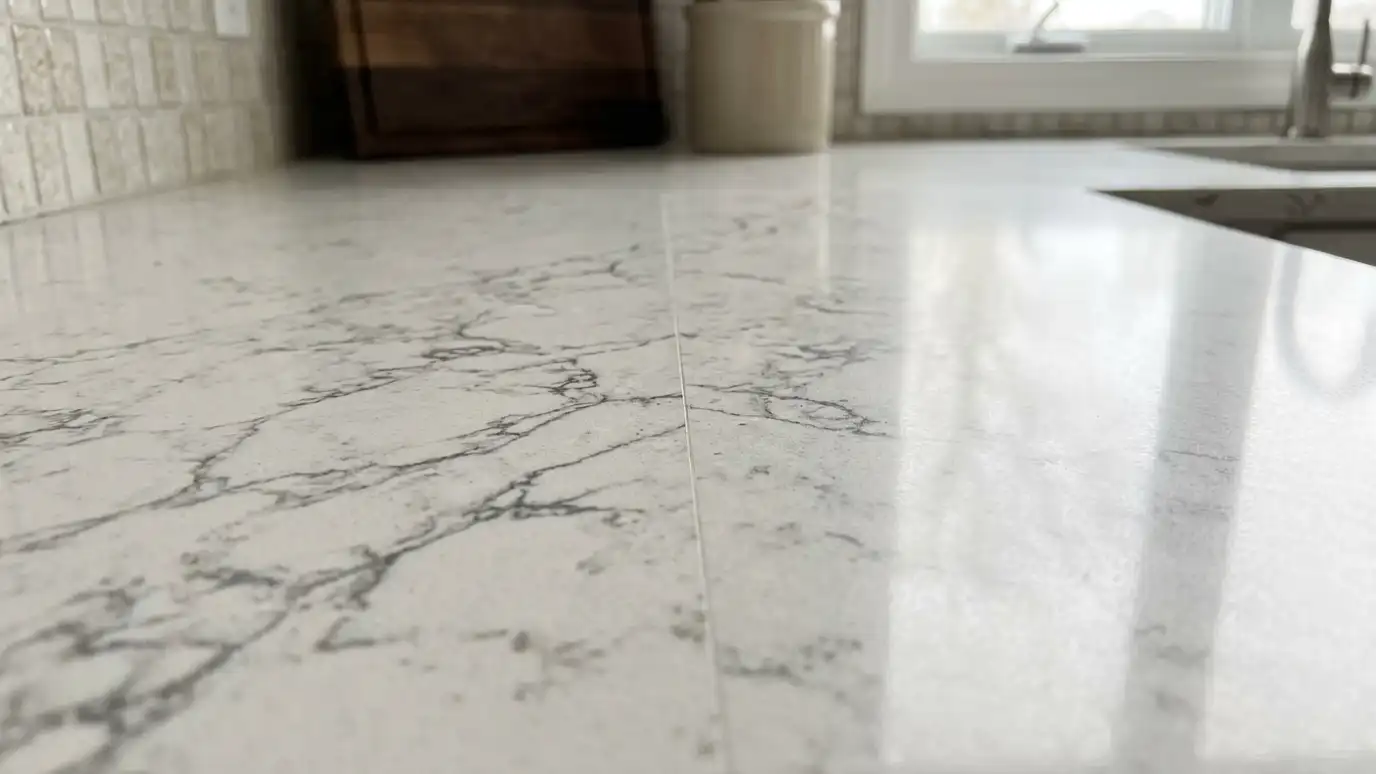
Seams placed and finished so slabs read as one surface, with veining and patterns matched across joints.
Slabs only come so big, so most kitchens have at least one seam where two pieces meet. A good seam is almost invisible, sits in a sensible place and is supported underneath. A bad seam is crooked, wide or stained and sits in the middle of the sink run. The difference comes from planning before the first cut and care during installation. Homeowners in Nashville ask us where the seams will go and how they will look, and we show them.
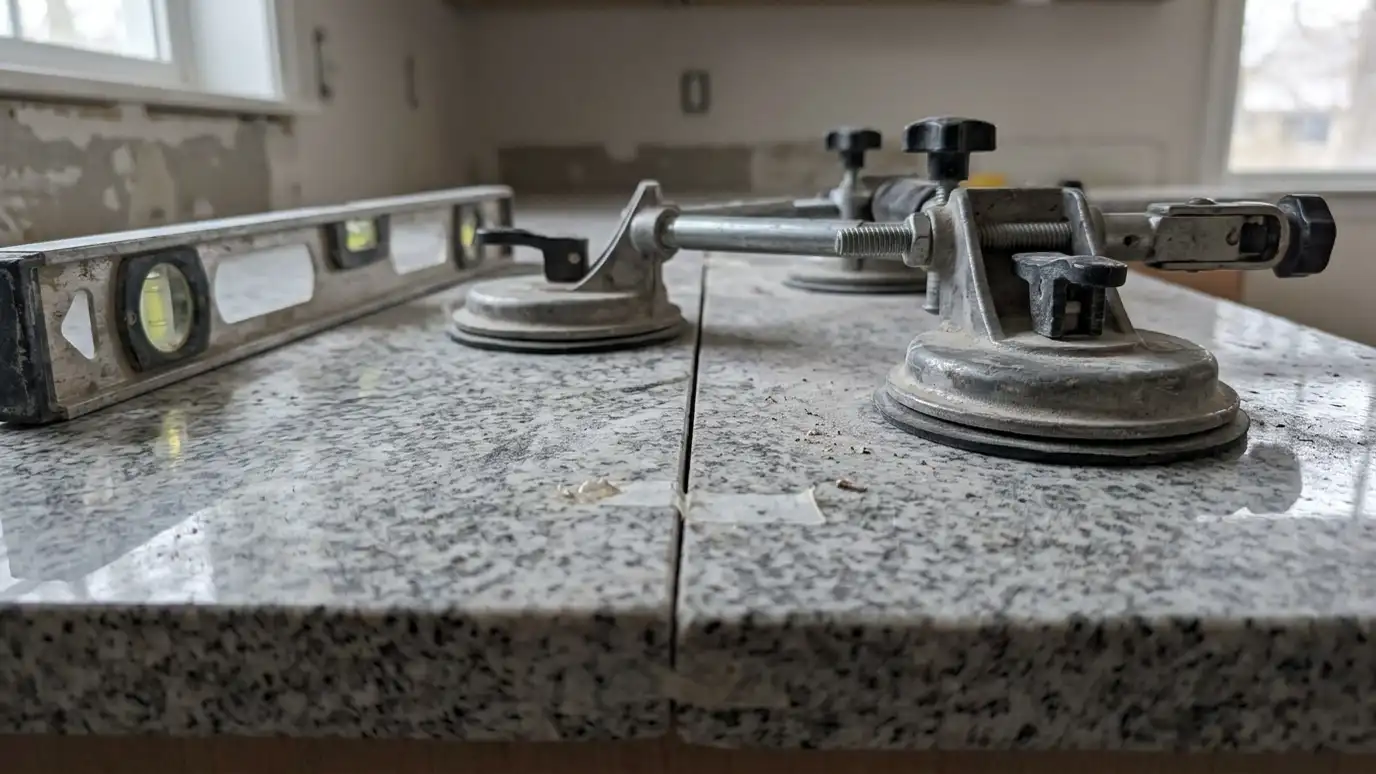
We start with a layout drawing and, where it helps, a mock-up on the slab with tape. We place seams away from sinks and cooktops where we can, in locations where cabinets give solid support, and where the veining and pattern can line up. On installation day, we set the pieces with a tight joint, use color-matched adhesive, clamp or pull the pieces flush and remove excess adhesive. We check that the pieces are level to each other and fix small differences before the adhesive cures.
Seams belong over cabinet frames and away from sinks, cooktops and high-traffic points, and they should follow the shape of the room.
Slabs cut from the same block can line up veining and flow, and we plan the layout to keep the pattern natural.
Pieces are pulled together with clamps or seam setters and leveled so you do not feel the joint with your hand.
The right adhesive color makes the seam blend, and cleaning off the excess leaves a clean line.
Drag the handle to compare.
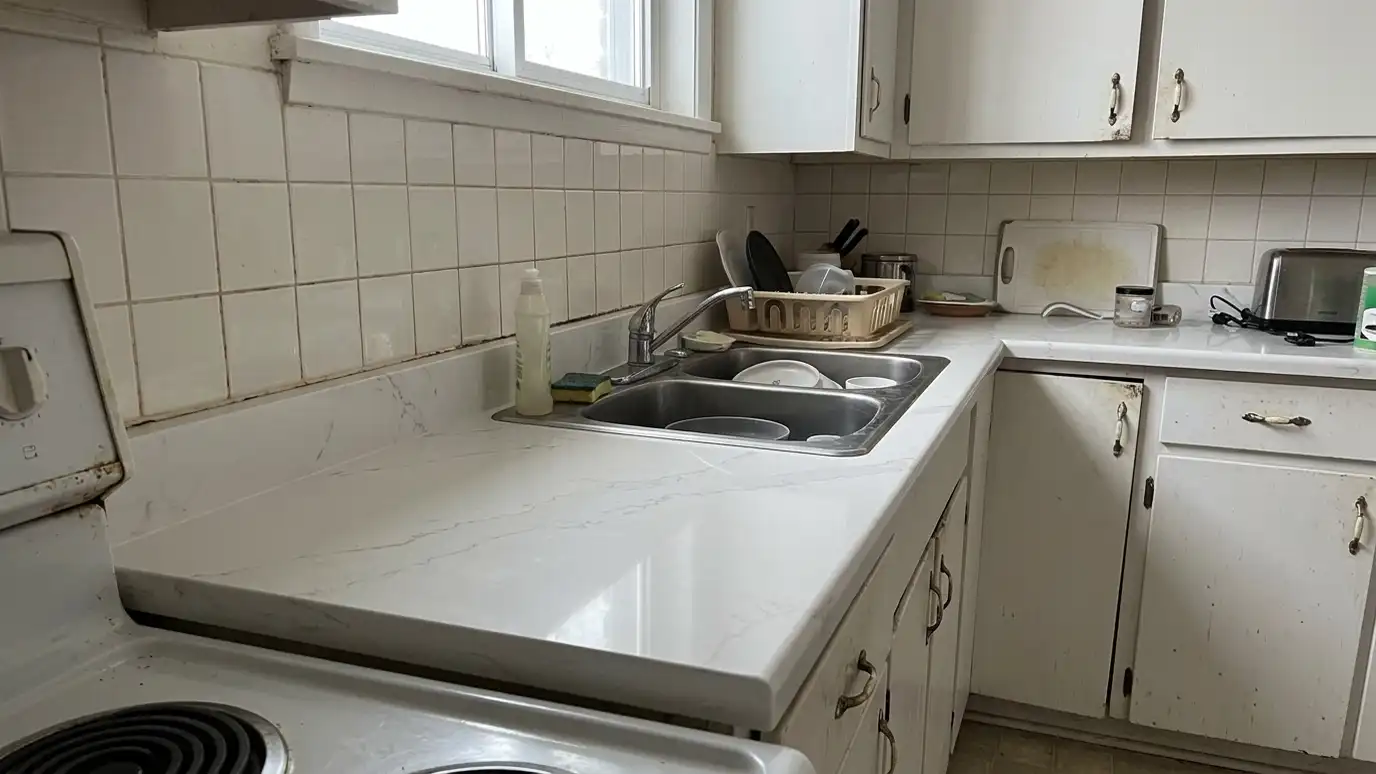
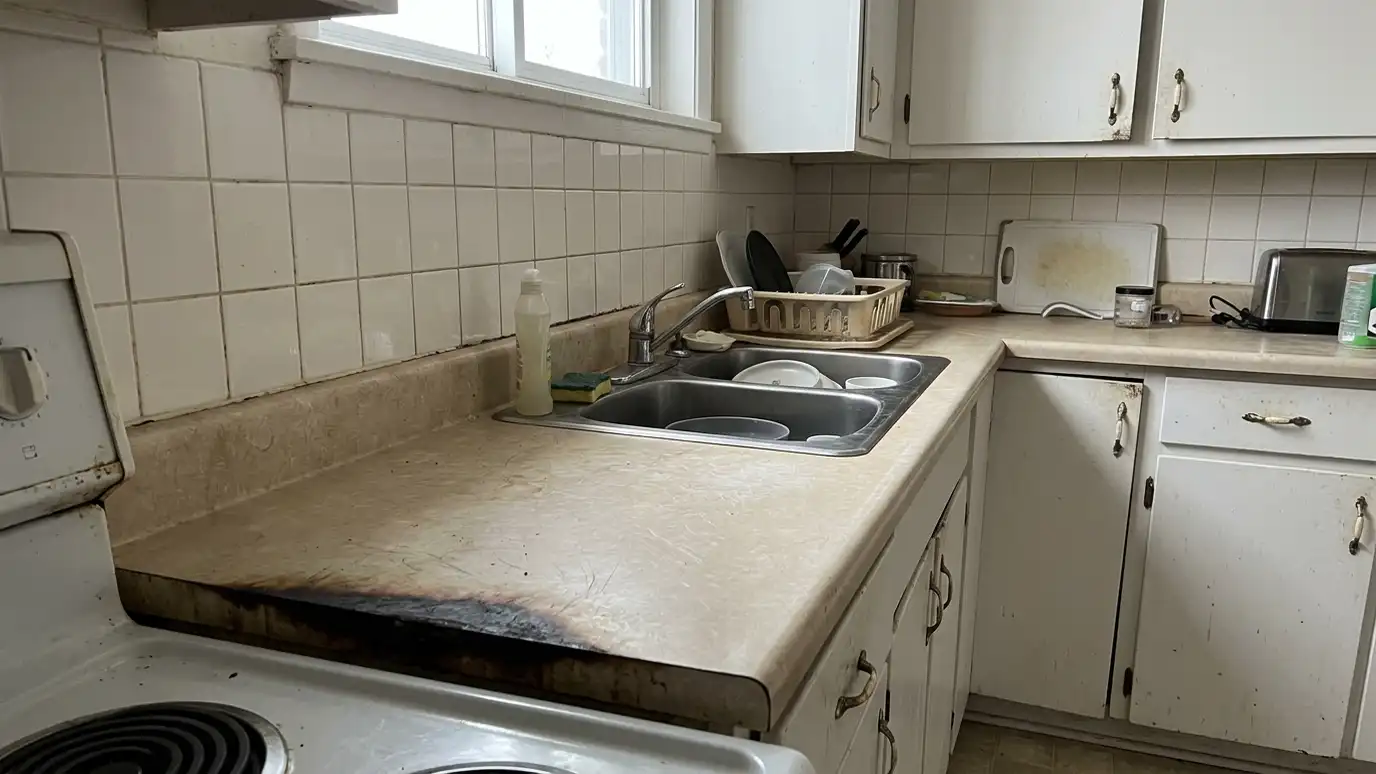 BeforeAfter
Seams marked before cutting.
Pattern checked on the stone.
Over cabinet frames.
Flush to the touch.
A subtle line.
Keep seams clean and sealed.
Every topic has its own page with what to expect and how we approach it.
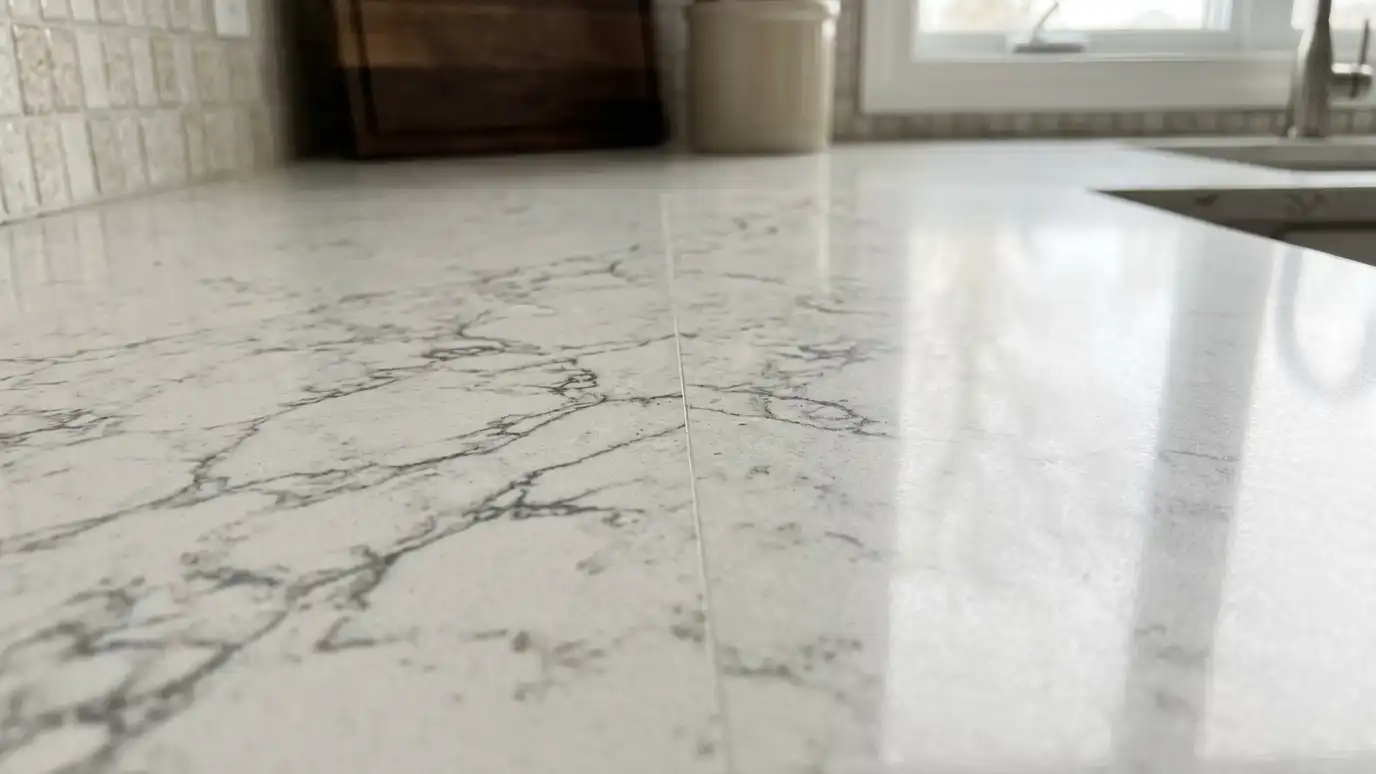 Topic guideThickness and SeamsStandard thicknesses, mitered edges, slab sizes and seam placement explained in plain language.Learn more
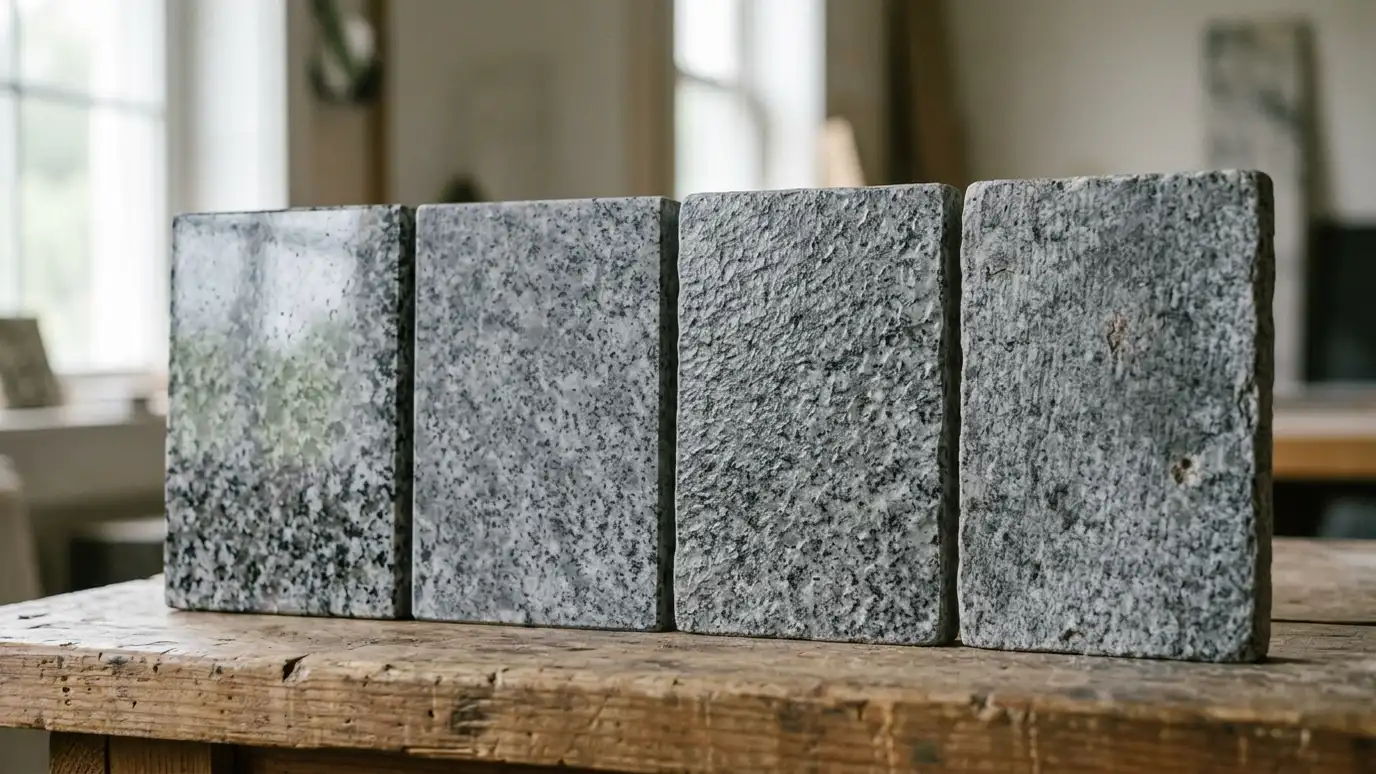 Topic guideCountertop FinishesPolished, honed, leathered and brushed finishes compared for sheen, fingerprints, etching and cleaning.Learn more
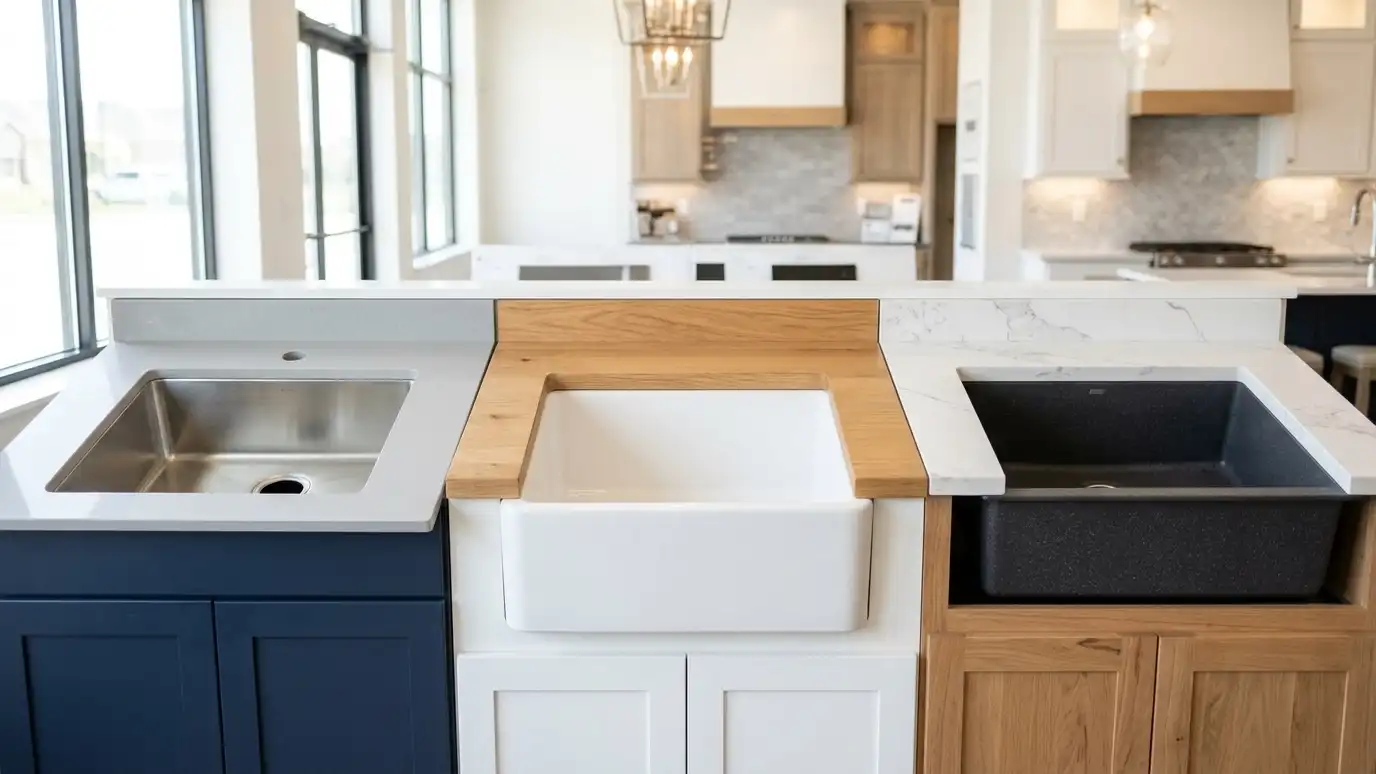 Top brandKohlerA maker of faucets, showers, sinks and bathroom products for kitchens and baths.Learn more
Answer five questions about your counters, goals and timing to see which services to start with.
You tell us what you want or what your counters are doing, and we set an estimate visit that fits your day.
We look at your cabinets, layout and walls, talk through materials, edges, sinks and seams and note any prep that is needed.
You choose the material, slab and details, receive a plain written scope and approve it before anything is ordered or cut.
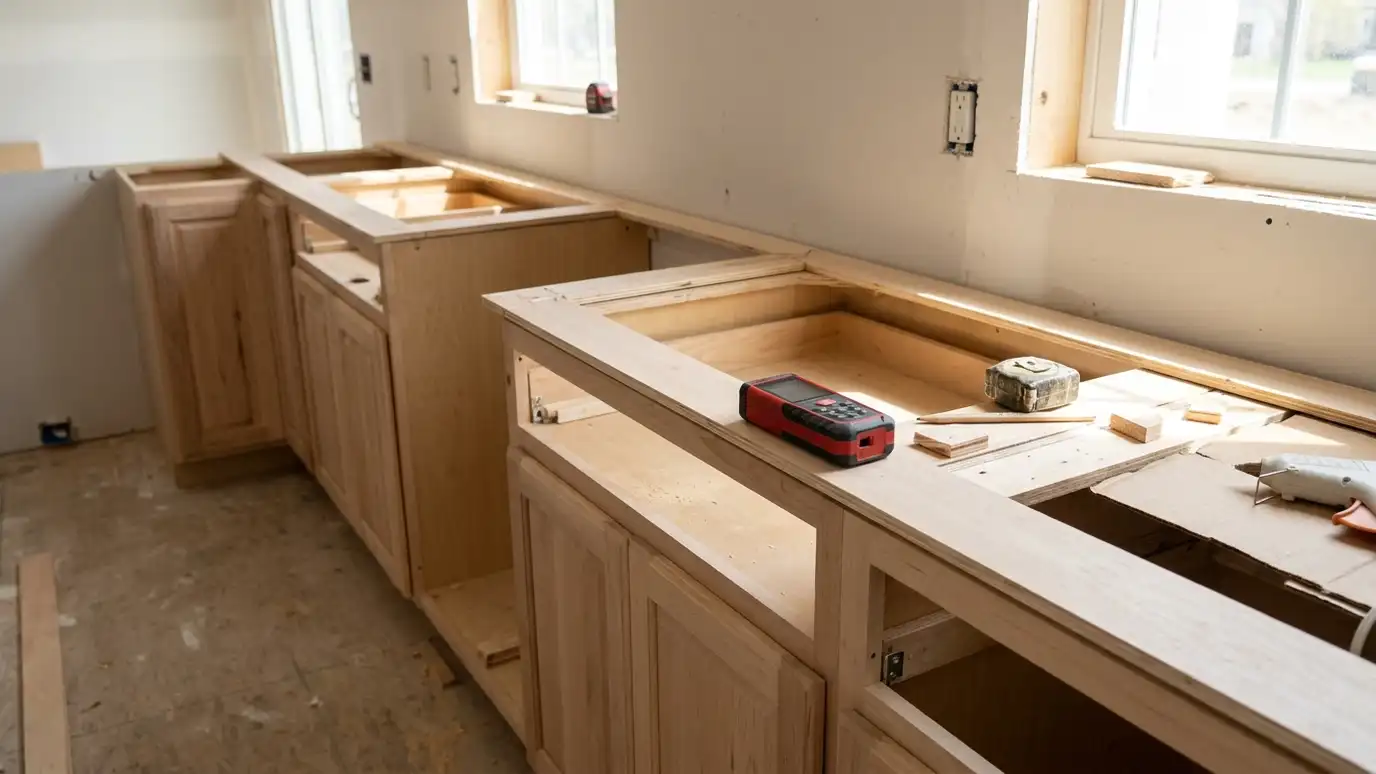
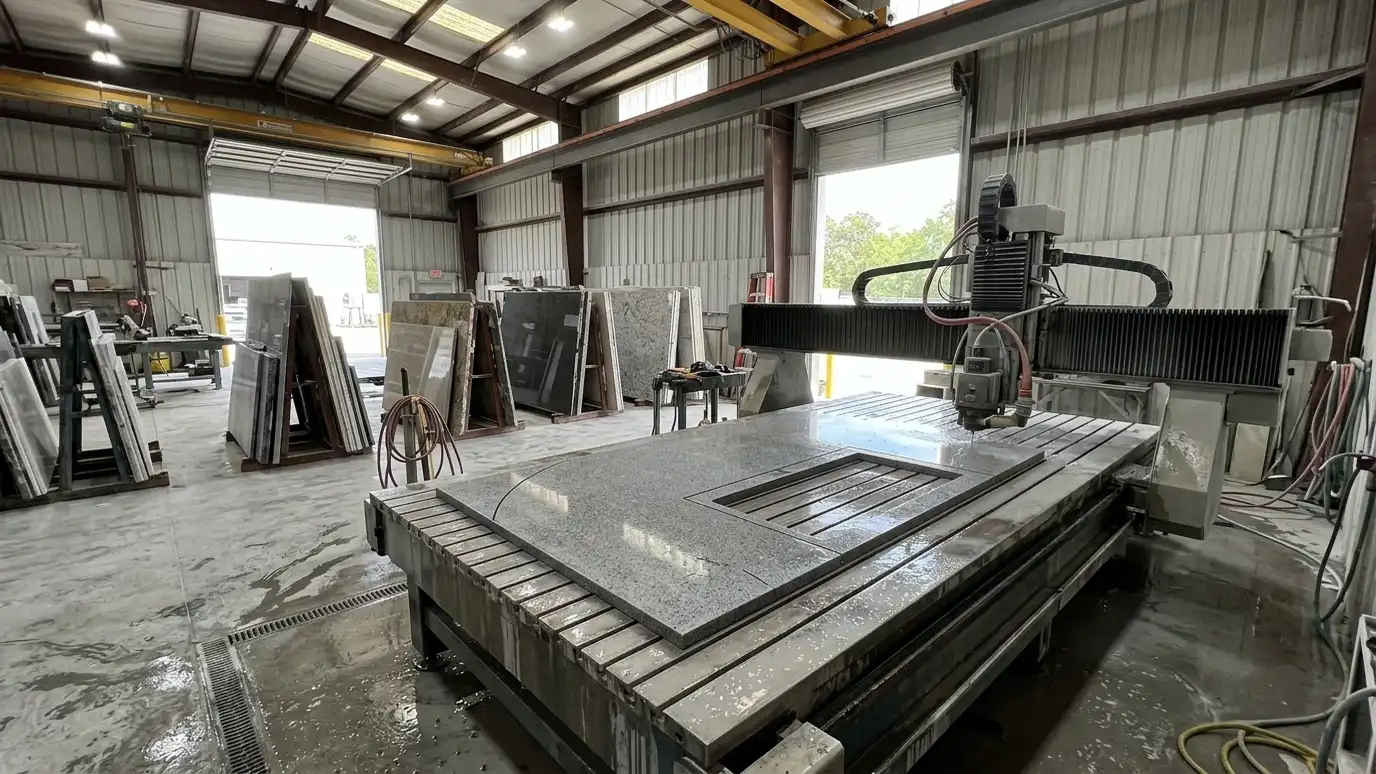
We template your cabinets exactly, then the countertops are cut, shaped and polished to fit, with openings made for your sink and cooktop.
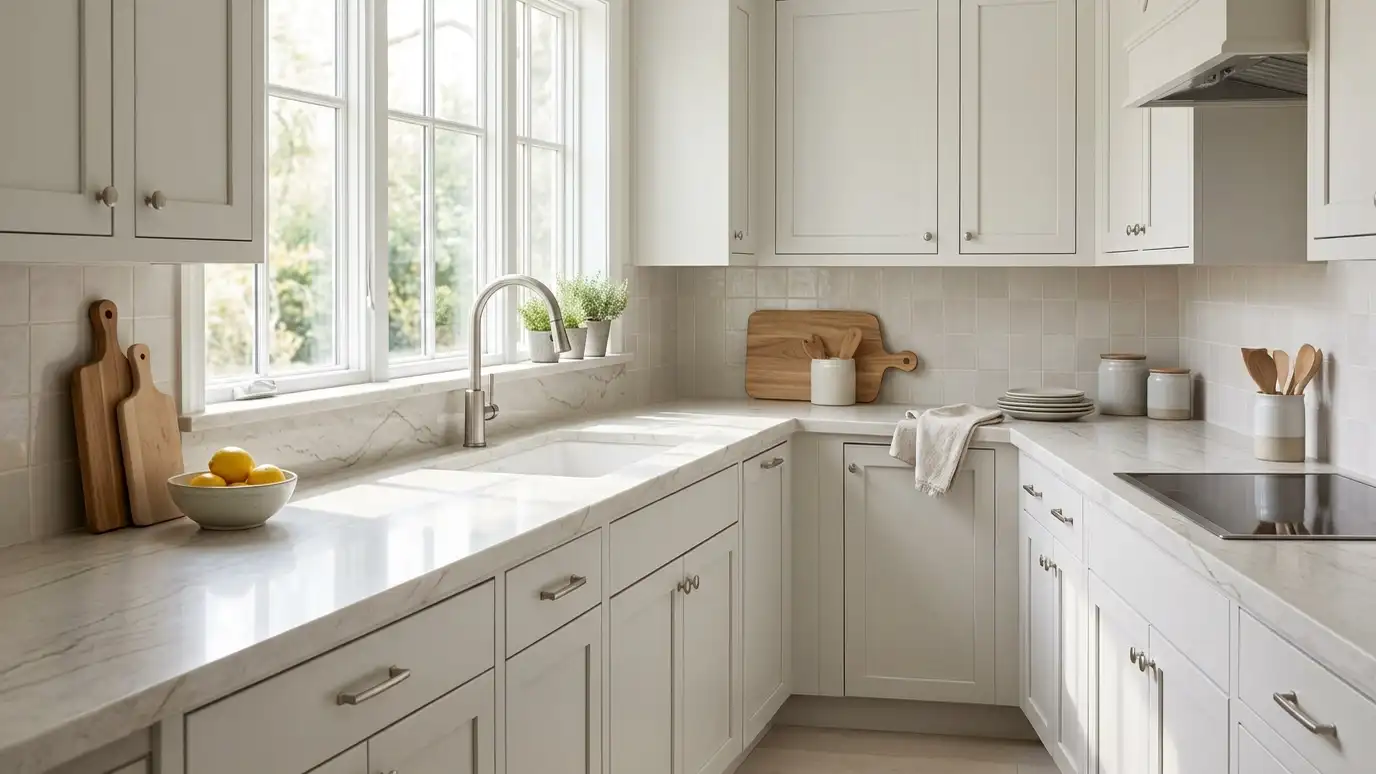
We remove the old tops, set the new ones level, join the seams, seal where needed and set the sink and backsplash.
We clean up, haul away the old countertops if you asked, walk you through the finished work and explain how to care for it.
In small kitchens, sometimes. Large kitchens need seams because of slab size, but good planning keeps them minimal.
Often near the sink or at corners, but not directly through the sink or cooktop.
A good seam is flush and smooth. You may see a thin line, but it should not catch your hand.
Plain colors show seams more. Veined and speckled patterns hide them better.
With proper support and adhesive, they stay tight. We explain what causes problems.
 Countertop Templating and MeasuringExact measurements of your cabinets and walls, taken after the cabinets are set, so the countertop fits the…Explore
 Custom Countertop FabricationCountertops cut, shaped and polished to your exact size, edge, cutouts and design, in stone, quartz and more.Explore
 Seam Repair and RealignmentOpen, uneven or discolored seams realigned, refilled and polished so the surface looks continuous.Explore
 Kitchen Countertop InstallationKitchen countertops fabricated and installed around your sink, cooktop, island and layout.Explore
Tell us about your project and we will call you back to set up a visit.
Or call (615) 357-7797 to talk now.